

When it comes to building muscle, protein is often hailed as the holy grail of nutrients. Not only does protein provide the building blocks for muscle growth, but it also plays a crucial role in repair and recovery. However, simply loading up on protein may not be enough to see the gains you desire. To effectively build muscle, you need to optimize your protein intake and make sure you are getting the right amount at the right times. In this article, we will explore the importance of protein for muscle building and provide tips on how to maximize your protein intake for optimal results.
The Role of Protein in Muscle Building
Protein is made up of amino acids, which are the building blocks of muscle tissue. When you engage in resistance training or other forms of exercise, you are essentially breaking down muscle fibers. In order for these fibers to repair and grow stronger, your body needs an adequate supply of protein. Without enough protein, your muscles may struggle to recover and grow, ultimately hindering your progress in the gym.
Calculating Your Protein Needs
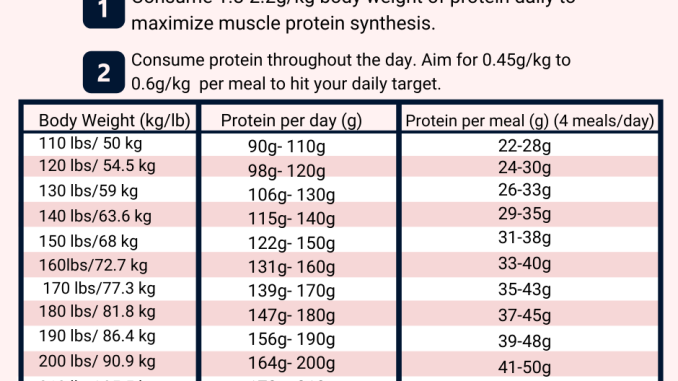
So how much protein do you actually need to support muscle growth? The general recommendation for individuals looking to build muscle is to consume between 1.2-2.2 grams of protein per kilogram of body weight per day. However, this can vary depending on factors such as age, activity level, and overall goals. To determine your specific protein needs, it may be helpful to consult with a nutritionist or dietitian who can provide personalized recommendations based on your individual needs and goals.
Timing Your Protein Intake
While getting enough protein throughout the day is important, the timing of your protein intake can also have an impact on muscle building. Consuming protein before and after your workouts is particularly important, as this can help promote muscle repair and growth. Aim to consume a protein-rich meal or snack within 1-2 hours before and after your workout to optimize muscle protein synthesis.
Choosing High-Quality Protein Sources
Not all protein sources are created equal. When it comes to building muscle, it’s important to choose high-quality protein sources that are rich in essential amino acids. Some examples of protein-rich foods include lean meats, poultry, fish, eggs, dairy products, and plant-based sources such as tofu, tempeh, and legumes. Protein supplements such as whey protein powder can also be a convenient way to boost your protein intake, especially if you have trouble meeting your protein needs through whole foods alone.
Monitoring Your Progress
Building muscle takes time and consistency, so it’s important to monitor your progress and make adjustments as needed. Keep track of your protein intake and pay attention to how your body responds to different levels of protein. If you notice that you’re not seeing the results you want, it may be helpful to increase your protein intake or make changes to your diet and exercise routine.
Conclusion
Protein is a crucial nutrient for anyone looking to build muscle, but simply consuming more protein isn’t enough to guarantee results. By optimizing your protein intake, paying attention to timing, choosing high-quality sources, and monitoring your progress, you can maximize your muscle-building potential and achieve the gains you desire. Remember, building muscle is a marathon, not a sprint, so be patient, stay consistent, and trust the process.
Are you ready to take your muscle-building journey to the next level? With the right approach to protein intake and a solid training regimen, you’ll be well on your way to achieving your fitness goals and building a stronger, more muscular physique.
**Start fueling your muscles with the right amount of protein today and watch your gains soar!**