

In today’s fast-paced world, many people are looking for effective ways to lose weight and improve their overall health. One method that has gained popularity in recent years is intermittent fasting. This approach to eating involves cycling between periods of eating and fasting, and has been touted as a successful strategy for weight loss.
What is Intermittent Fasting?
Intermittent fasting is not a diet in the traditional sense, but rather an eating pattern that dictates when you eat, rather than what you eat. There are several different methods of intermittent fasting, but the most common ones involve fasting for a certain number of hours each day or restricting calorie intake on certain days of the week.
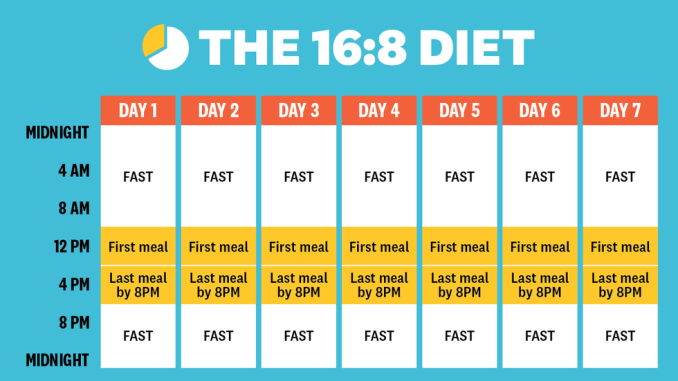
One popular method is the 16/8 approach, which involves fasting for 16 hours each day and eating all of your meals within an 8-hour window. Another common method is the 5:2 diet, where you eat normally for five days of the week and consume a very low calorie intake (around 500-600 calories) on the other two days.
How Does Intermittent Fasting Aid Weight Loss?
Intermittent fasting can help with weight loss in several ways. Firstly, it can lead to a reduction in calorie intake, as most people naturally eat fewer calories when they have a shorter eating window. This can create a calorie deficit, which is necessary for weight loss.
Secondly, intermittent fasting has been shown to increase the body’s sensitivity to insulin, which can help regulate blood sugar levels and reduce the risk of insulin resistance. This can lead to a decrease in cravings for sugary and high-calorie foods, making it easier to stick to a healthy eating plan.
Lastly, intermittent fasting has been found to increase levels of norepinephrine, a hormone that helps the body break down fat for energy. This can help boost metabolism and promote fat loss, especially when combined with regular exercise.
Benefits of Intermittent Fasting
In addition to weight loss, intermittent fasting has been linked to several other health benefits. Some studies have found that it can improve markers of heart health, such as blood pressure, cholesterol levels, and inflammation. It may also help reduce the risk of type 2 diabetes and improve insulin sensitivity.
Intermittent fasting has also been shown to have potential anti-aging effects, as it can increase levels of autophagy, a process that helps the body remove damaged cells and promote cellular repair. This may help protect against age-related diseases and prolong lifespan.
Getting Started with Intermittent Fasting
If you’re interested in trying intermittent fasting for weight loss, it’s important to start slowly and gradually increase the fasting periods to allow your body to adjust. Be sure to stay hydrated during fasting periods and focus on eating nutrient-dense foods during your eating window to support your overall health and weight loss goals.
As with any diet or eating plan, it’s important to consult with a healthcare professional before making any major changes to your eating habits, especially if you have any underlying health conditions or concerns.
Overall, intermittent fasting can be a powerful tool for weight loss and improving overall health. By incorporating this eating pattern into your lifestyle, you may be able to achieve your weight loss goals and experience the many benefits that come with a healthier, more balanced approach to eating.
Give intermittent fasting a try and see how it can help you transform your body and your health for the better!