

Embarking on a bulking journey as a beginner can be an overwhelming experience. It involves a strategic approach to building muscle mass while minimizing fat gain. Understanding the fundamentals of bulking is crucial to achieving your desired physique. In this guide, we will cover everything you need to know as a beginner to successfully bulk up.
Evaluate Your Goals
Before diving into a bulking program, it’s essential to evaluate your fitness goals. Determine how much muscle mass you want to gain and establish a realistic timeframe for achieving your goals. Setting specific, measurable, achievable, relevant, and time-bound (SMART) goals will keep you motivated and on track throughout your bulking journey.
Caloric Surplus
One of the key principles of bulking is consuming more calories than your body burns, known as a caloric surplus. To effectively build muscle mass, you need to provide your body with the necessary nutrients and energy it needs to support muscle growth. Aim to consume around 250-500 extra calories per day above your maintenance level to promote muscle gain.
Macronutrient Intake
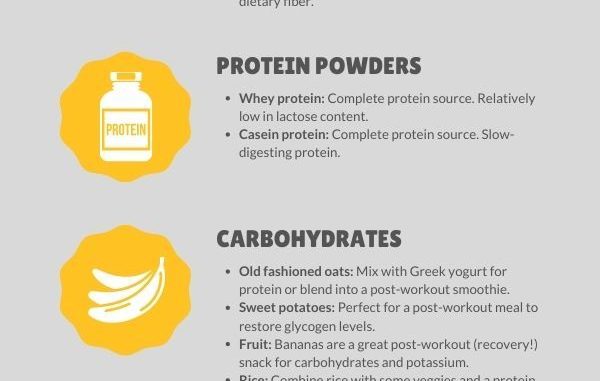
Protein, carbohydrates, and fats are the three primary macronutrients that play a critical role in muscle building. Ensure that your diet is rich in protein to support muscle repair and growth. Carbohydrates provide energy for intense workouts, while healthy fats help regulate hormone levels. Balancing your macronutrient intake is vital for maximizing muscle gain during the bulking phase.
Resistance Training
Incorporating resistance training into your workout routine is essential for stimulating muscle growth. Focus on compound exercises such as squats, deadlifts, bench press, and overhead press to target multiple muscle groups simultaneously. Progressive overload, gradually increasing the weight or resistance over time, is key to continuously challenging your muscles and promoting muscle hypertrophy.
Rest and Recovery
Rest and recovery are crucial components of the bulking process. Adequate sleep and proper nutrition are essential for muscle repair and growth. Give your body time to recover between workouts to prevent overtraining and support muscle recovery. Consider incorporating rest days into your routine to allow your muscles to recover and grow stronger.
Monitor Your Progress
Consistently tracking your progress is vital for evaluating the effectiveness of your bulking program. Keep a workout journal to record your exercises, sets, reps, and weights used. Take regular measurements of your weight, body fat percentage, and muscle mass to monitor changes in your physique. Adjust your caloric intake and training routine as needed based on your progress towards your goals.
Stay Consistent
Consistency is key to achieving success in any fitness endeavor, including bulking. Stay committed to your nutrition plan and workout routine, even when progress may seem slow. Building muscle takes time and dedication, so trust the process and stay focused on your goals. Remember that results will come with patience and persistence.
Conclusion
Embarking on a bulking journey as a beginner can be both challenging and rewarding. By understanding the fundamentals of bulking and implementing a strategic approach to building muscle mass, you can achieve your desired physique. Evaluate your goals, maintain a caloric surplus, focus on macronutrient intake, incorporate resistance training, prioritize rest and recovery, monitor your progress, and stay consistent throughout your bulking journey. With dedication and perseverance, you can achieve your muscle-building goals and transform your physique.
Are you ready to start bulking up and achieving your fitness goals? Follow this comprehensive guide for beginners and take the first step towards a stronger, leaner physique!