
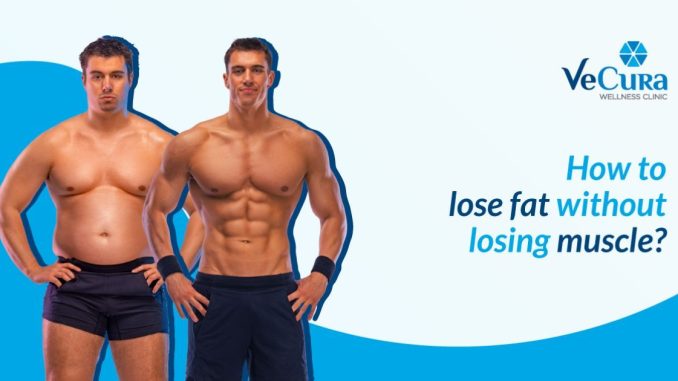
When it comes to losing weight, many people fear that they will also lose muscle mass in the process. While it is true that losing weight can result in some muscle loss, there are ways to mitigate this risk and preserve your hard-earned muscle mass. In this article, we will discuss how to lose weight without losing muscle.
1. Maintain a High Protein Intake
Protein is essential for muscle growth and repair, so it is important to make sure you are consuming an adequate amount of protein while trying to lose weight. Aim to include protein-rich foods such as lean meats, poultry, fish, eggs, dairy, and plant-based sources like beans and legumes in every meal. Additionally, consider incorporating a protein supplement into your diet to ensure you are meeting your protein needs.
2. Lift Heavy Weights
Strength training is crucial for preserving muscle mass while losing weight. By lifting heavy weights, you can stimulate muscle growth and prevent muscle loss during your weight loss journey. Focus on compound exercises like squats, deadlifts, bench presses, and rows to target multiple muscle groups at once and maximize muscle growth.
3. Monitor Your Caloric Intake
While it is important to create a calorie deficit to lose weight, you want to make sure you are not drastically reducing your caloric intake. A severe calorie restriction can lead to muscle loss, as your body may start breaking down muscle tissue for energy. Aim for a moderate calorie deficit of 500-750 calories per day to promote weight loss while preserving muscle mass.
4. Eat Carbs Wisely
Carbohydrates are your body’s primary source of energy, especially during intense workouts. While it is tempting to cut carbs from your diet while trying to lose weight, this can be detrimental to your muscle mass. Instead, focus on consuming complex carbohydrates like whole grains, fruits, and vegetables to fuel your workouts and support muscle growth.
5. Get Adequate Rest and Recovery
Rest and recovery are essential for muscle growth and preservation. Make sure you are getting enough sleep each night to allow your muscles to repair and grow. Additionally, consider incorporating rest days into your workout routine to prevent overtraining and give your muscles time to recover.
6. Stay Hydrated
Hydration is key for muscle function and overall health. Make sure you are drinking enough water throughout the day to support muscle growth and recovery. Dehydration can lead to muscle cramps, fatigue, and hinder your weight loss progress, so aim to drink at least 8-10 glasses of water per day.
Conclusion
Losing weight without losing muscle is possible with the right approach. By maintaining a high protein intake, lifting heavy weights, monitoring your caloric intake, eating carbs wisely, getting adequate rest and recovery, and staying hydrated, you can achieve your weight loss goals while preserving your hard-earned muscle mass. Remember, consistency is key, so stay focused on your goals and trust the process.
Implement these tips into your weight loss journey and watch as you transform your body while keeping your muscle mass intact.
Remember, it’s not just about losing weight; it’s about losing fat and preserving muscle.