

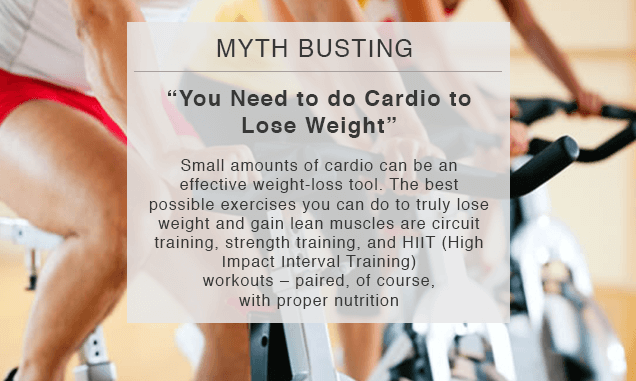
Cardio exercises have long been touted as a key component of any weight loss regimen. From running and cycling to swimming and dancing, cardio workouts are a popular choice for those looking to shed pounds and improve their overall fitness. But is cardio really the most effective method for weight loss? Let’s dive into the facts and separate myth from reality.
Understanding Cardio and Weight Loss
Cardiovascular exercise, commonly known as cardio, refers to any workout that gets your heart rate up and increases your breathing. This type of exercise is known for burning calories and improving cardiovascular health. When it comes to weight loss, the idea is that by burning more calories than you consume, you will create a calorie deficit that leads to fat loss.
While cardio can certainly help you burn calories and lose weight, it is important to note that it is not the be-all and end-all of weight loss. In fact, relying solely on cardio for weight loss may not yield the results you desire. To effectively lose weight and keep it off, a balanced approach that includes strength training, a healthy diet, and adequate rest is key.
The Role of Strength Training
Strength training, also known as resistance training, is an essential component of any weight loss program. While cardio helps you burn calories during your workout, strength training helps you build muscle, which in turn increases your metabolism and helps you burn more calories at rest. This means that incorporating strength training into your routine can help you achieve your weight loss goals more effectively than cardio alone.
Additionally, strength training can help prevent muscle loss that often accompanies weight loss. By preserving lean muscle mass, you can maintain a higher metabolic rate and ensure that the weight you lose comes from fat, rather than muscle.
The Importance of a Healthy Diet
When it comes to weight loss, exercise is just one piece of the puzzle. A healthy diet is equally important in achieving and maintaining a healthy weight. While cardio can help you create a calorie deficit, it is essential to fuel your body with nutritious foods that support your weight loss goals. Focus on whole, nutrient-dense foods such as fruits, vegetables, lean proteins, and whole grains to keep your energy levels up and ensure you are getting the nutrients your body needs.
Rest and Recovery
Finally, rest and recovery are crucial components of any weight loss program. While cardio workouts can be effective for weight loss, overtraining can actually hinder your progress and increase your risk of injury. Make sure to listen to your body and give yourself adequate rest between workouts to allow your muscles to recover and repair. This will help you stay motivated, prevent burnout, and ensure long-term success in reaching your weight loss goals.
Conclusion
While cardio can be a valuable tool in your weight loss journey, it is not the only answer. To achieve sustainable weight loss and improve your overall health, it is important to take a holistic approach that includes strength training, a healthy diet, and adequate rest. By combining these elements, you can create a balanced and effective weight loss plan that will help you reach your goals and maintain a healthy lifestyle for years to come.