

Building muscle is about more than just hitting the gym hard and lifting heavy weights. It’s also about giving your body the time and resources it needs to recover and grow stronger. In this article, we’ll discuss some important muscle recovery tips that can help you maximize your gains and achieve faster growth.
1. Get Plenty of Rest
One of the most important aspects of muscle recovery is getting enough rest. When you lift weights, you’re essentially breaking down your muscle fibers, and it’s during rest that your body repairs and rebuilds these fibers, making them stronger than before. Aim for 7-9 hours of quality sleep each night to give your body the time it needs to recover properly.
2. Stay Hydrated
Hydration is key for muscle recovery. When you work out, you sweat out a lot of water and electrolytes, which are crucial for muscle function. Make sure to drink plenty of water throughout the day to help your muscles recover and stay hydrated. Aim for at least 8-10 glasses of water a day, and more if you’re working out intensely.
3. Eat a Balanced Diet
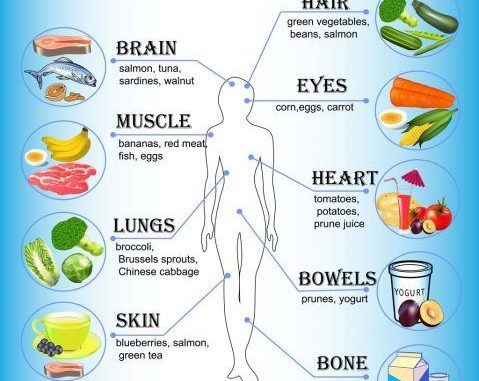
Nutrition plays a big role in muscle recovery. Make sure to eat a balanced diet that includes plenty of protein, carbohydrates, and healthy fats. Protein is essential for muscle repair and growth, while carbohydrates provide the energy your body needs to fuel your workouts. Include foods like lean meats, fish, eggs, whole grains, fruits, and vegetables in your diet to support muscle recovery.
4. Use Foam Rolling and Stretching
Foam rolling and stretching can help improve circulation and flexibility, which can aid in muscle recovery. Foam rolling helps release tension and tightness in the muscles, while stretching can improve muscle flexibility and reduce the risk of injury. Incorporate foam rolling and stretching into your post-workout routine to help your muscles recover faster.
5. Take Rest Days
Rest days are just as important as workout days when it comes to muscle recovery. Your muscles need time to repair and grow stronger, so make sure to schedule in rest days throughout the week. This doesn’t mean you have to be idle – light activities like walking or yoga can help keep your body moving without putting extra strain on your muscles.
6. Consider Supplementing
If you’re struggling to get all the nutrients you need from your diet, consider supplementing with protein powders, BCAAs, or other supplements that can support muscle recovery. Just make sure to consult with a healthcare professional before adding any new supplements to your routine to ensure they’re safe and effective for you.
7. Listen to Your Body
Finally, listen to your body. If you’re feeling overly fatigued, sore, or not making progress in the gym, it could be a sign that you need to take a step back and focus on recovery. Don’t push yourself too hard, as this can lead to injuries and setbacks. Learn to recognize the signs of overtraining and adjust your routine accordingly.
By incorporating these muscle recovery tips into your routine, you can help maximize your gains and achieve faster growth. Remember that building muscle takes time and consistency, so be patient and stay dedicated to your goals. With the right approach to recovery, you’ll be well on your way to achieving the results you desire.